By Rachel Mataira · The Story · July 2026
A personal enquiry into what endures beyond the moment of a works creation.
Rachel Mataira, photographer, gallerist, and researcher, on the practice that led her to ask what happens to an artwork's story once it leaves the artist's hands.
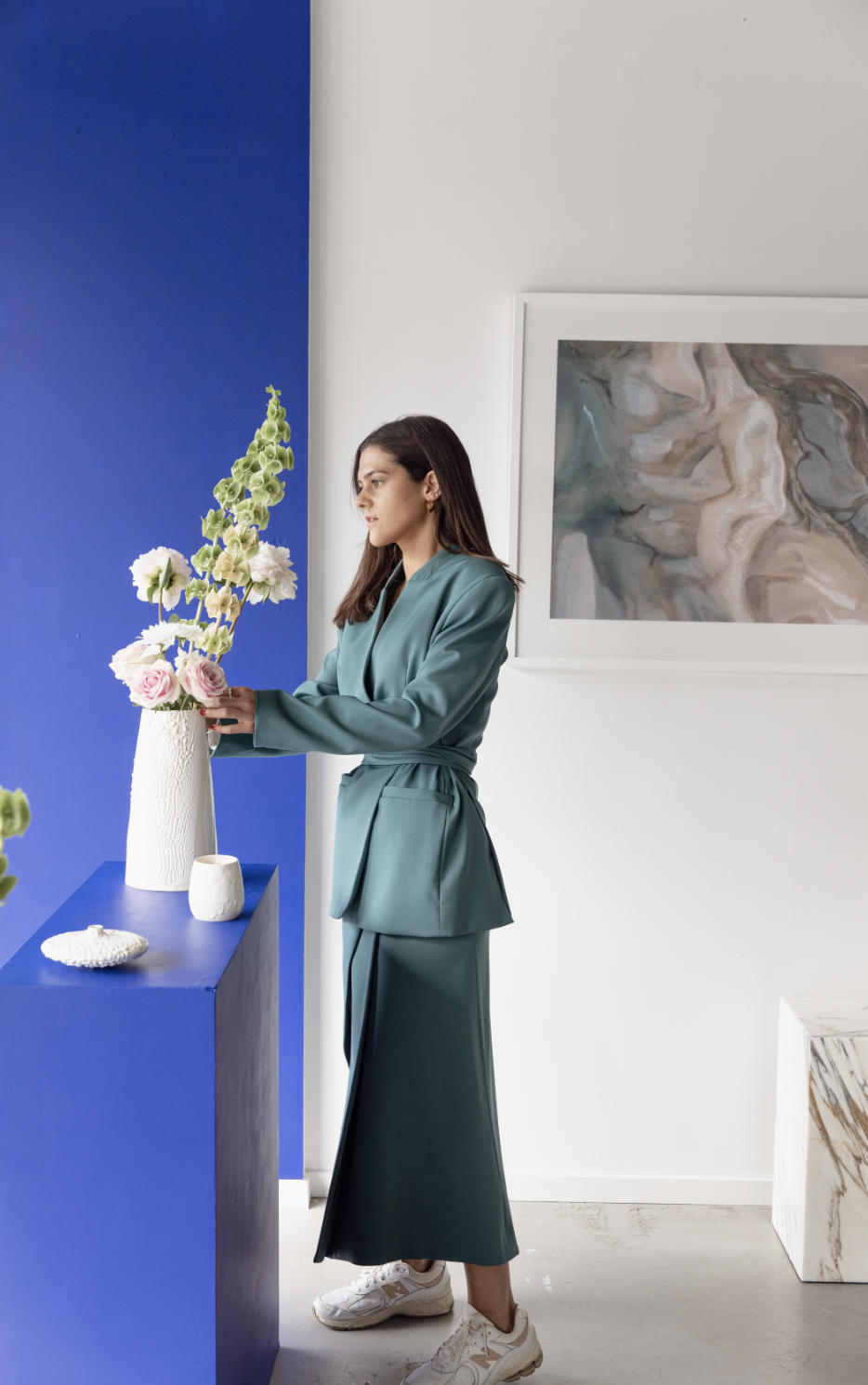
There's always been a closeness to the land I've never been able to fully explain, an almost meditative or esoteric pull, a place where I could feel calm and connected to a greater whole or wider eco-system (it's hard to put into words) so photographing it was the only way I knew how to translate what I felt. That became the daily practice whilst I was working as an accountant, it then morphed into printing an image for a Charity Auction and it began from there.
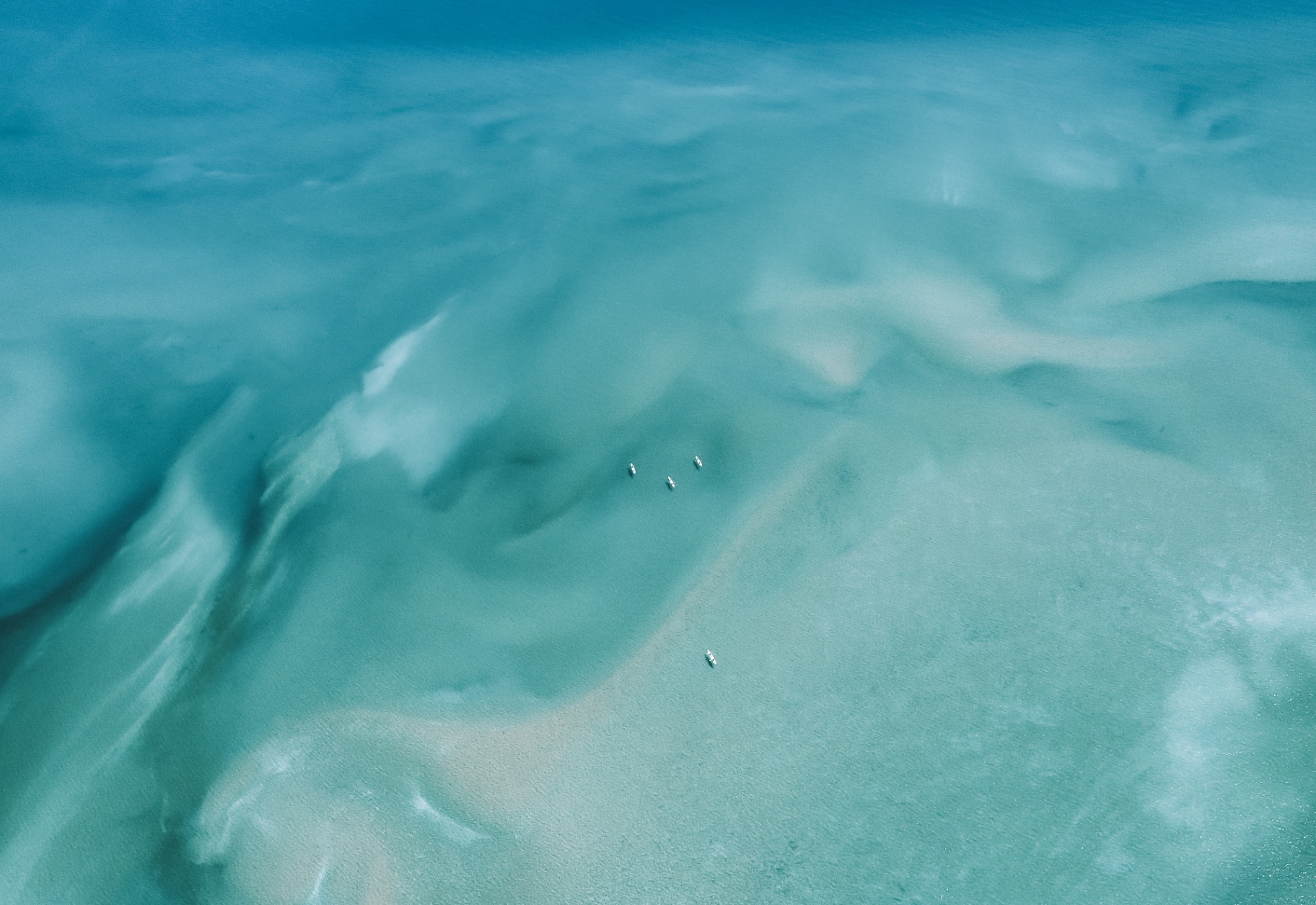
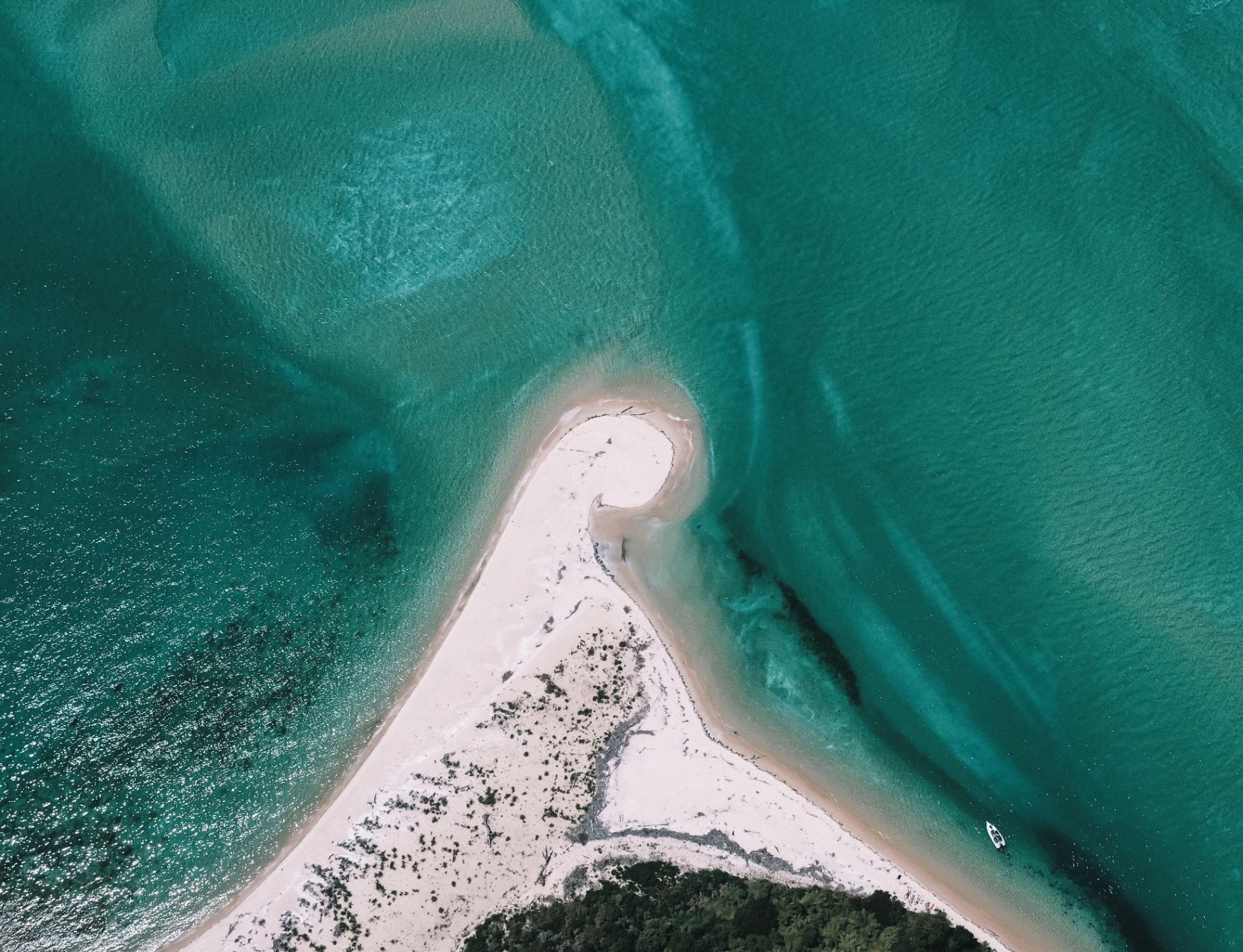
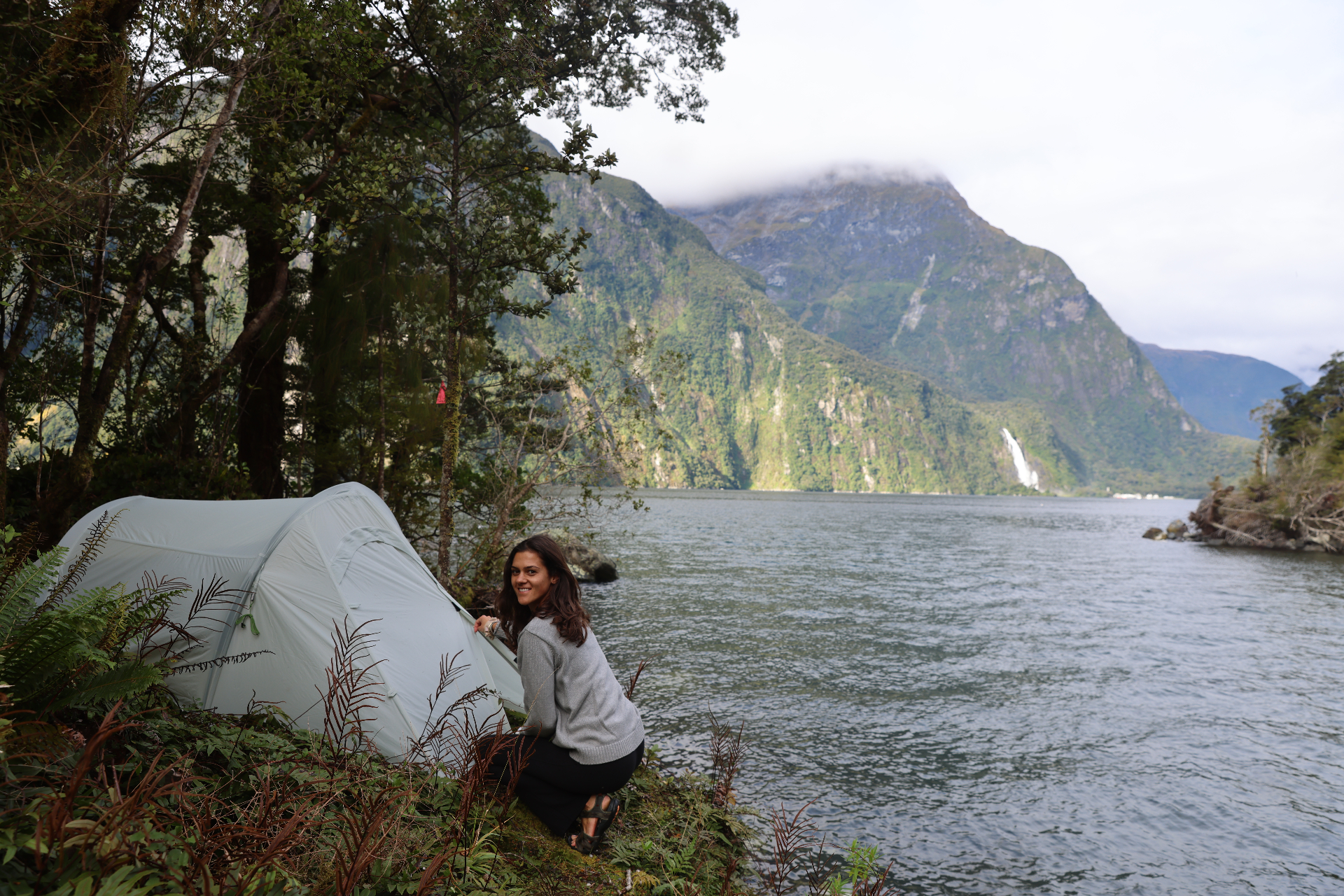
A very small print business quickly changed, then recognition I hadn't expected through several large awards, a landmark exhibition built around the upheaval of that year, a residency out on the marae where another body of work for an exhibition was made. None of it changed why I was taking the photographs. What changed everything was people wanting to buy them.
Once a photograph left my hands, I realised its story didn't travel with it. That's really where this journey began: learning what it actually meant to hand a piece of that connection to someone else to hold.
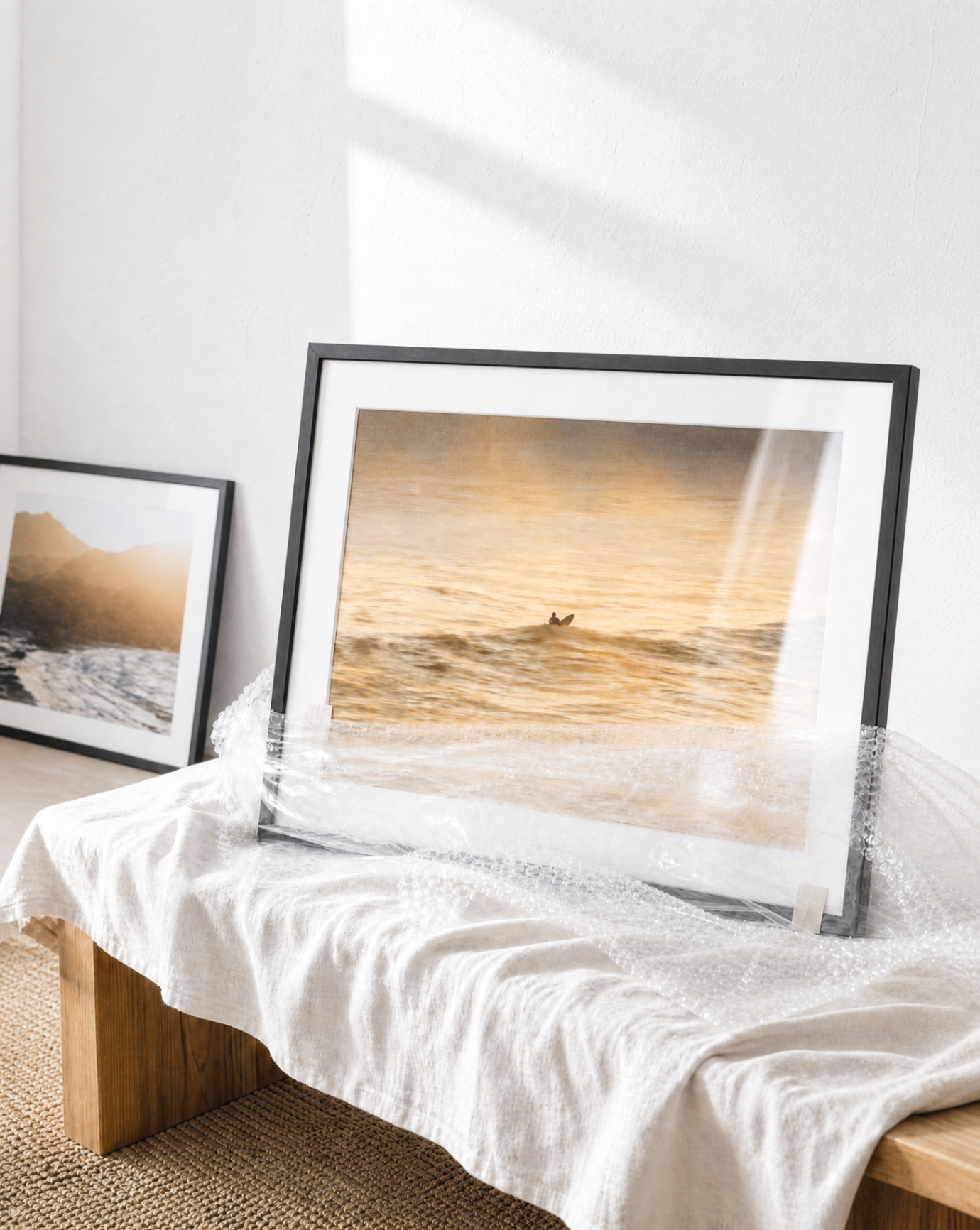
“What happens to these stories once the artist is no longer here to tell them?”
I always tried to capture the essence of the artist I was representing on film, filming them in the studio mid conversation, never posed. Something a collector could sit with later and feel the person who made the work, not just their signature. A signature confirms authenticity; it doesn't tell you why the artist reached for that color, or the hesitation before they answered a question about failure. Collectors live with a piece for years, and I believed they deserved more than paperwork and a bio paragraph, they deserved the artist's actual voice.
Stepping to the other side of the gallery wall sharpened that question further. First in a shared space with a ceramicist and a furniture maker, then later on my own, vouching for a story became the job itself: standing behind why a piece exists, who made it, what surrounded its making. Provenance stopped being abstract and became something I was reconstructing week to week, from memory, from old emails, from a conversation I half-remembered having with an artist years earlier.
The romantic part of the job, standing behind a story, talking about art, was maybe ten percent of my week. The rest was logistics nobody warns you about. Inventory was a constant low-grade anxiety: a piece at a fair in one city, a similar edition in storage across town, another out on approval with a collector gone quiet for weeks.
Collectors brought their own chaos too, calling for a certificate on a piece bought years earlier, sending me digging through old invoices to match a blurry photo to the actual object. Loans were their own special stress: a work would go out to a staging or a private home and exist in this liminal state, technically the Gallery's, physically elsewhere, its whereabouts dependent on someone else's paperwork.
None of this showed up in the polished version of gallery life, the openings, the studio visits, the stories I told collectors. But it was most of the actual work, an ongoing, slightly frantic act of memory keeping, trying to hold an accurate picture of where every object was and what story it carried, while running a business that depended on getting all of it exactly right.
I have a great deal of respect for fine-art gallery operators, and through conversations I've already had, I know I'm not alone in these experiences.
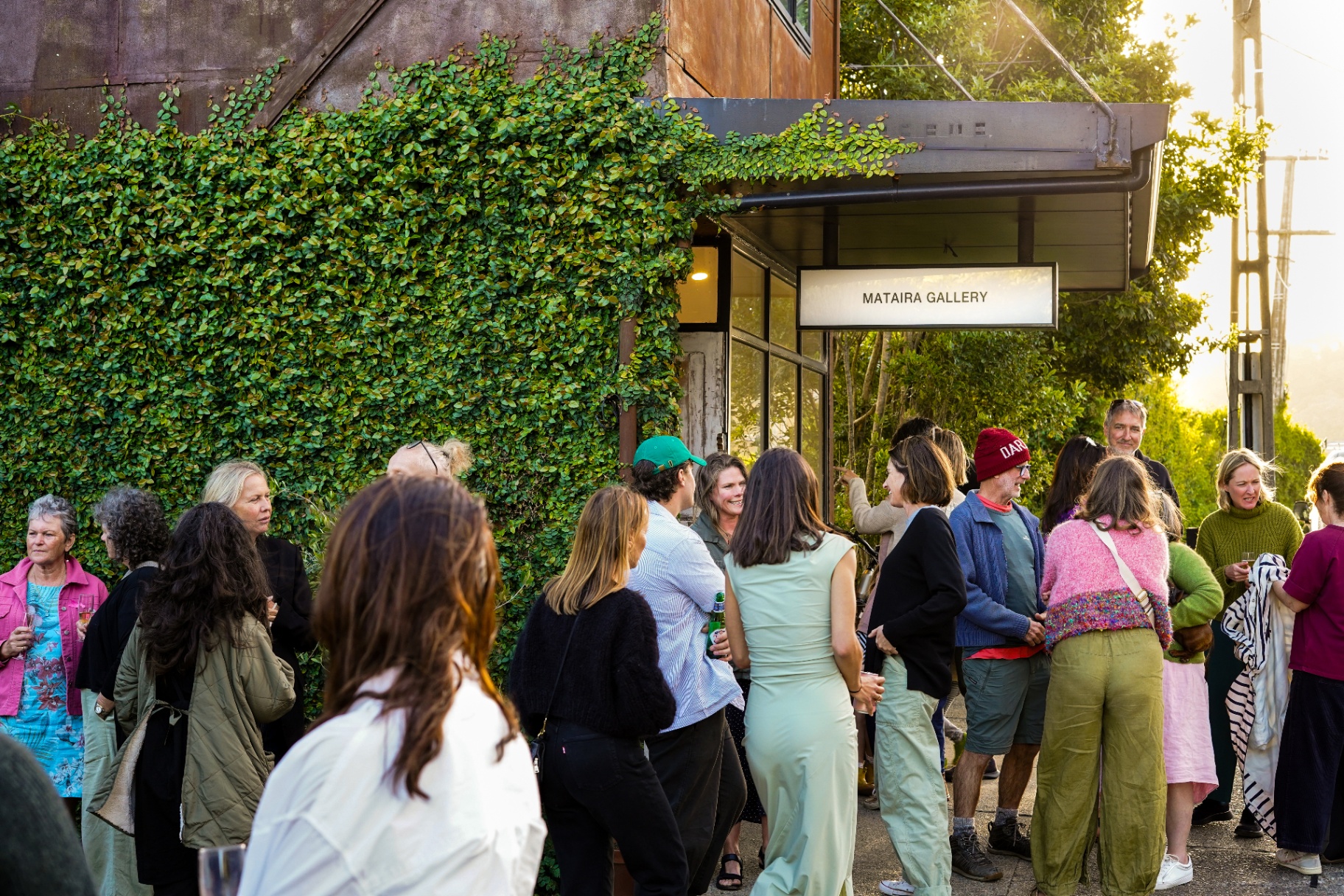
Footage by Mataira Gallery, featuring Julia Kate Mack.
“Is it the artist's story to tell, or does it belong to everyone who stood on that land too?”
Three rooms. Three collectors. The same photograph, quietly changing meaning as it moves through other people's lives.
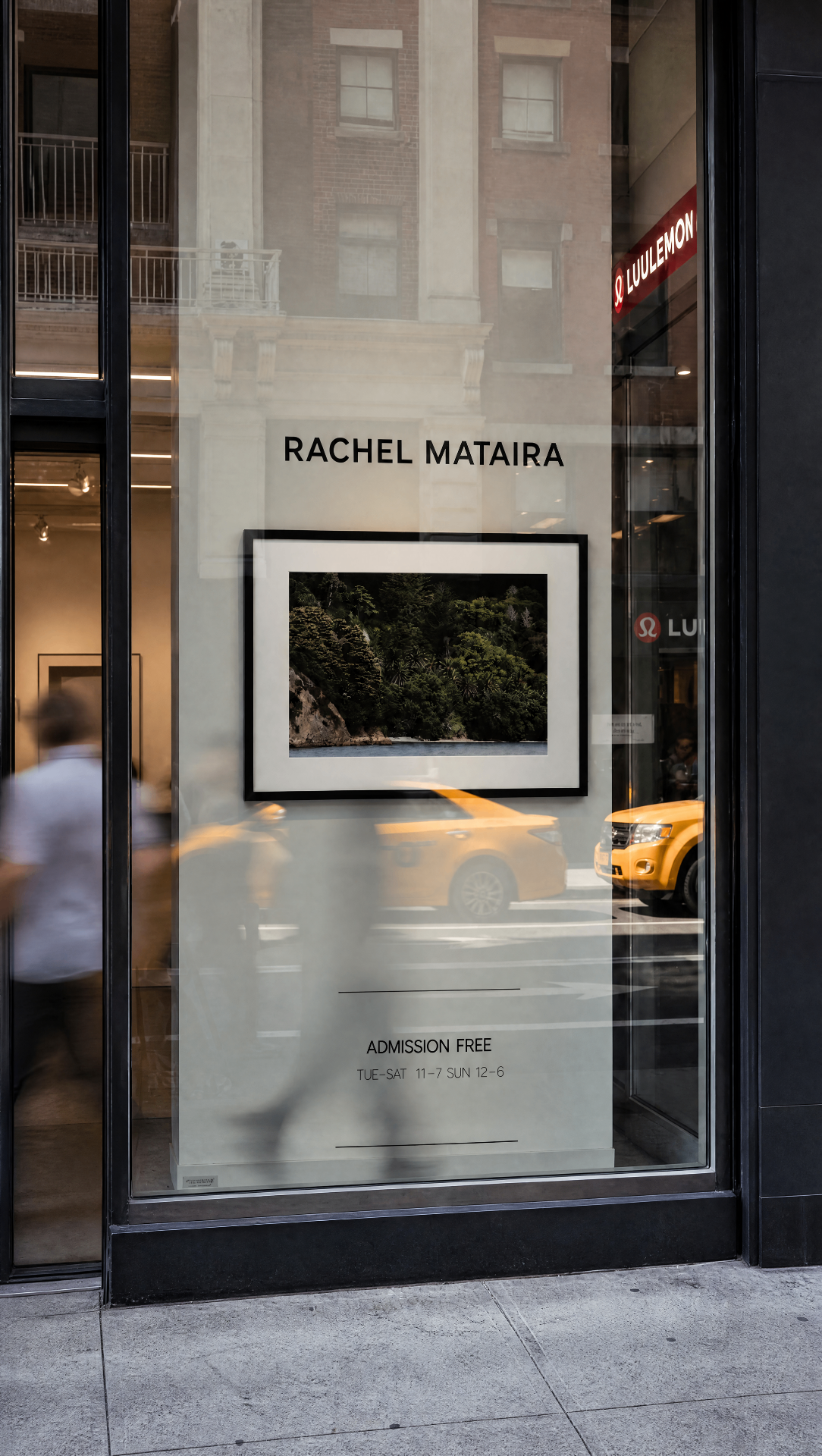
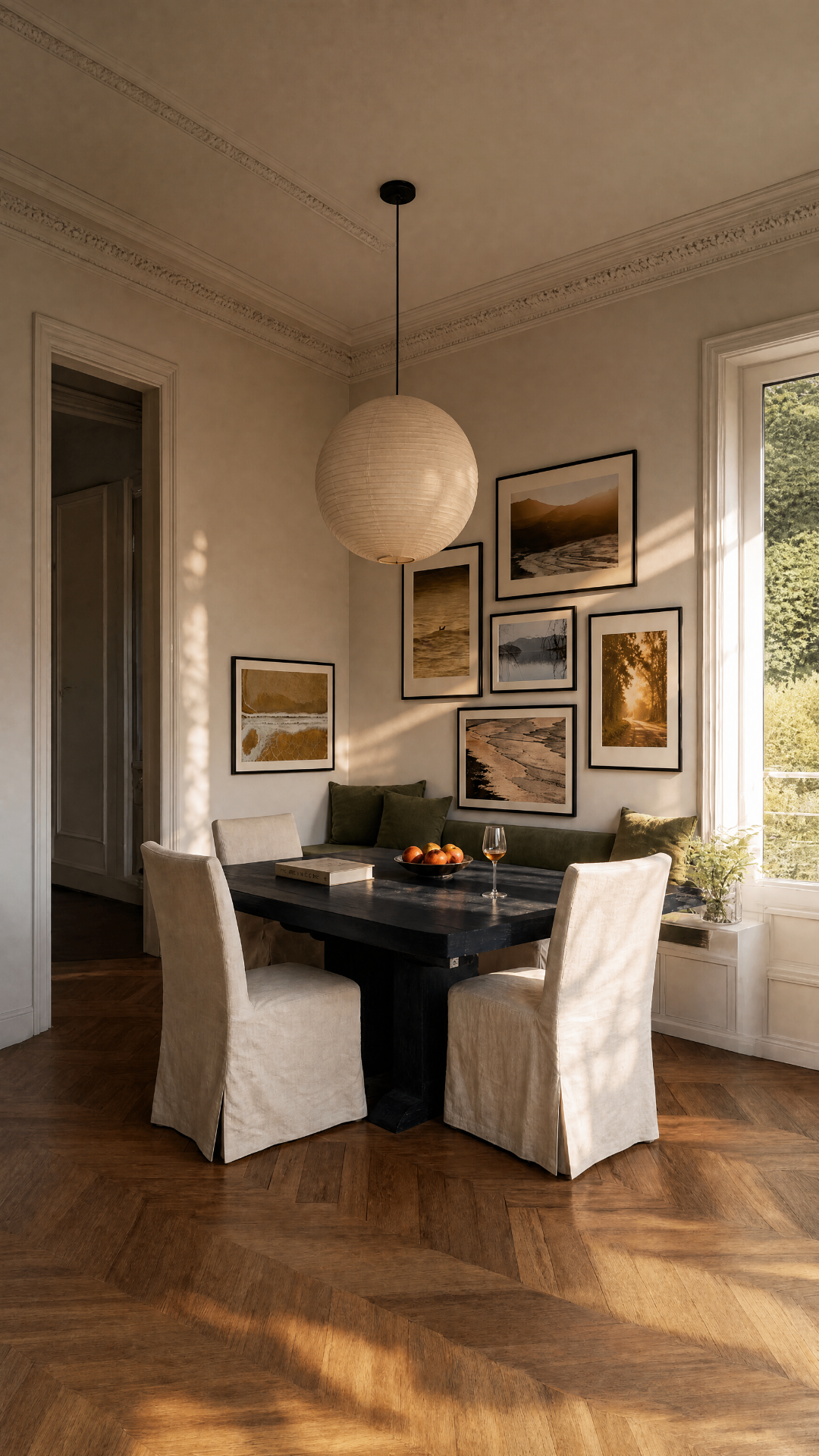
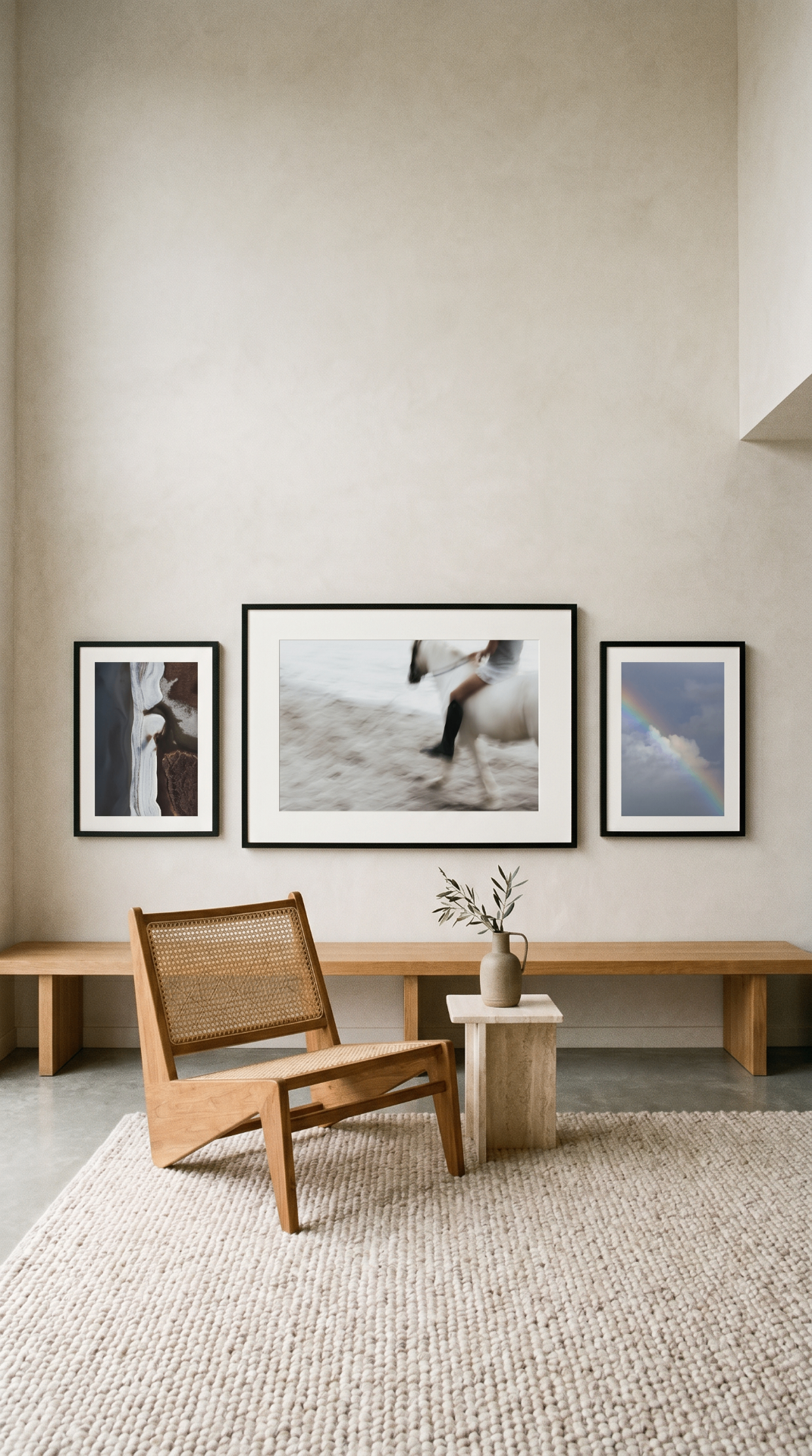
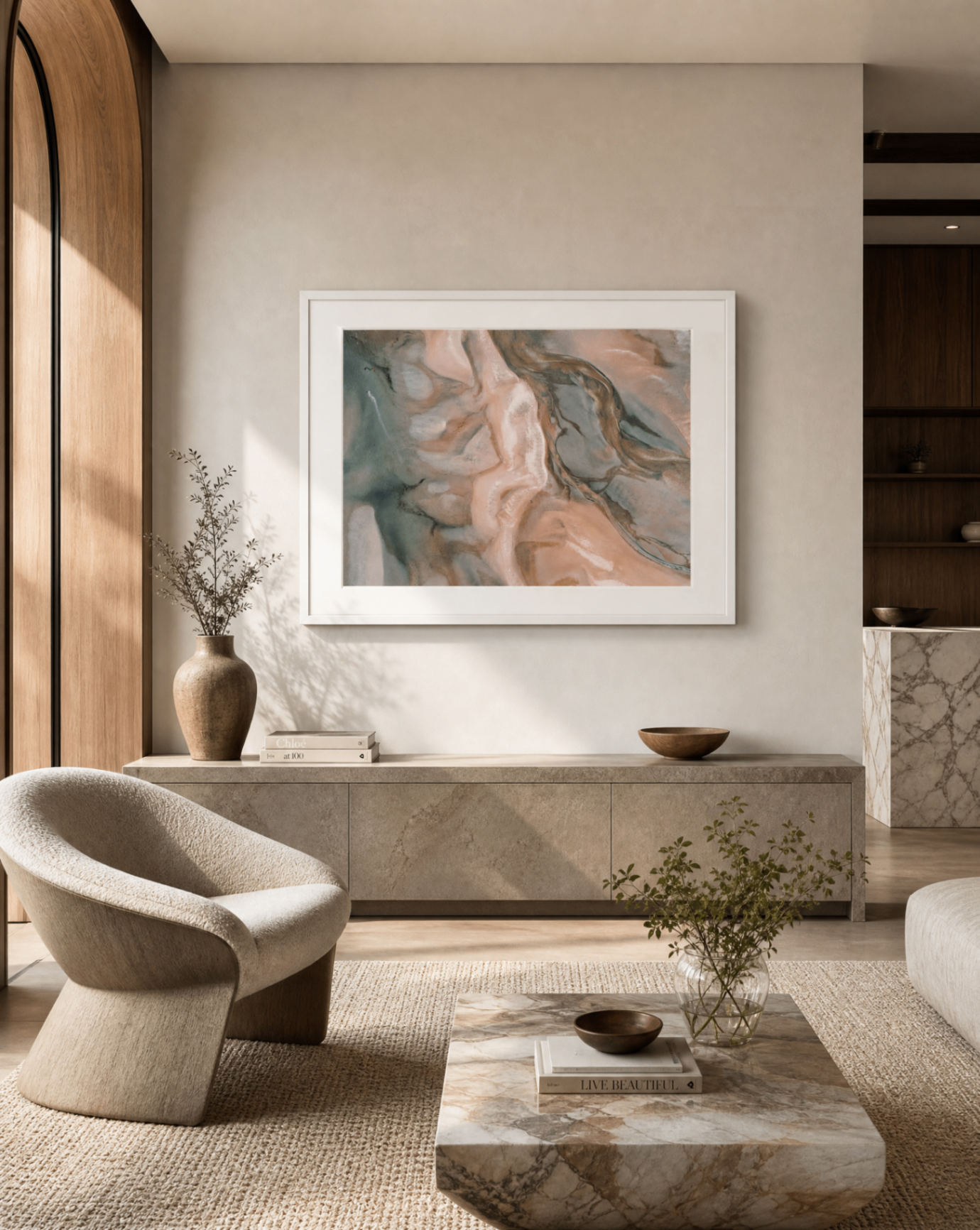
Working for private collectors showed me the same gap from the other side. Collectors want to tell the story too - at a dinner party, to a friend who notices the work on the wall, eventually to their kids when the piece is passed down. But the story thins out fast. A name, a year, maybe a gallery. The context that made the work matter in the first place is usually the first thing to go. I watched meaning quietly drain out of works I'd sold, not through any bad intent, just because there was nowhere for it to live. The essence mattered more to that journey than any certificate did.
All of it - the photographs, the gallery, the collectors - kept circling the same gap. So I went back into research, working out whether the visual art ecosystem in Aotearoa actually needed a shared record, and what it would need to hold onto if it did. The first sketch was narrow: something that helped with authentication, ownership history, and administering the resale royalty under the Resale Right for Visual Artists Act 2023. The scope kept widening. Fragmented provenance turned out to be a systems problem, tangled up in governance, legislation, cultural stewardship, and how information moves, or doesn't, between the people who hold it. What you're using here is a research artefact: a way of testing, with real stakeholders, whether digital provenance infrastructure is needed, and what it should hold onto if it is.
The land keeps its own record. This is one attempt to keep pace with it.